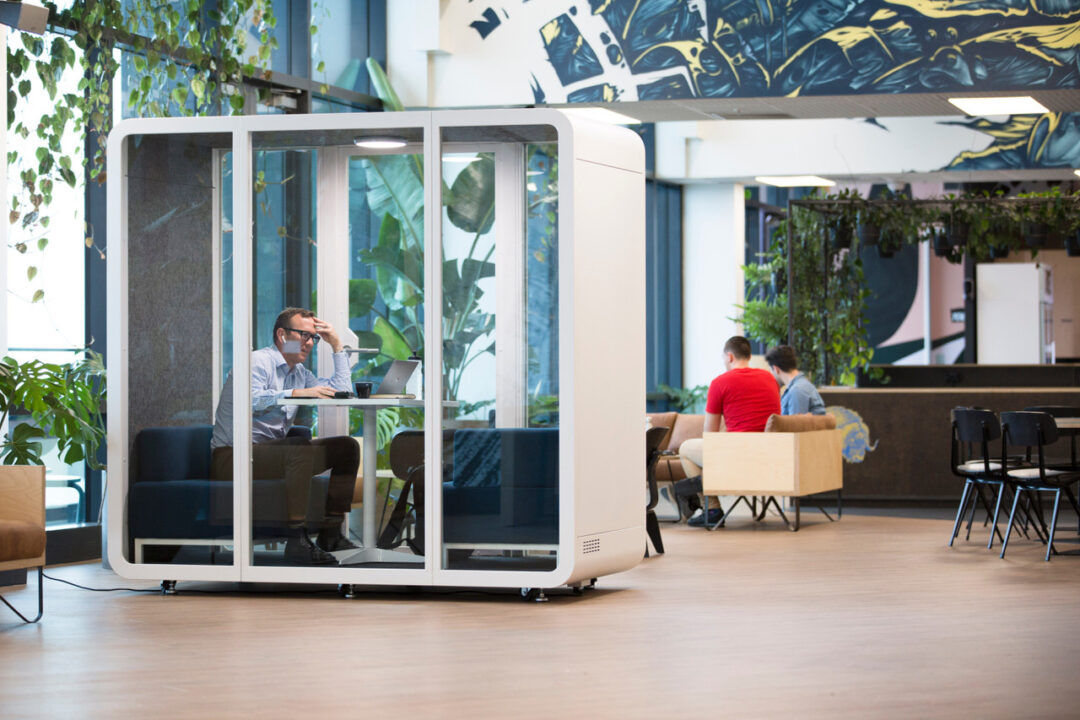
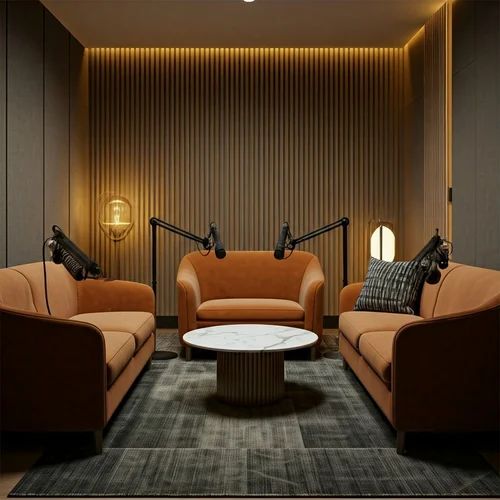
Take something like podcast rooms or silent pods. On paper, they sound simple. But once you start using them, that’s when the real challenges show up. If the acoustics aren’t handled properly, outside noise creeps in. If ventilation or comfort is ignored, people won’t use the space for long. These are small rooms, but they demand a lot of attention in terms of sound control, insulation, and overall comfort. When done right, they become some of the most used spaces in an office.
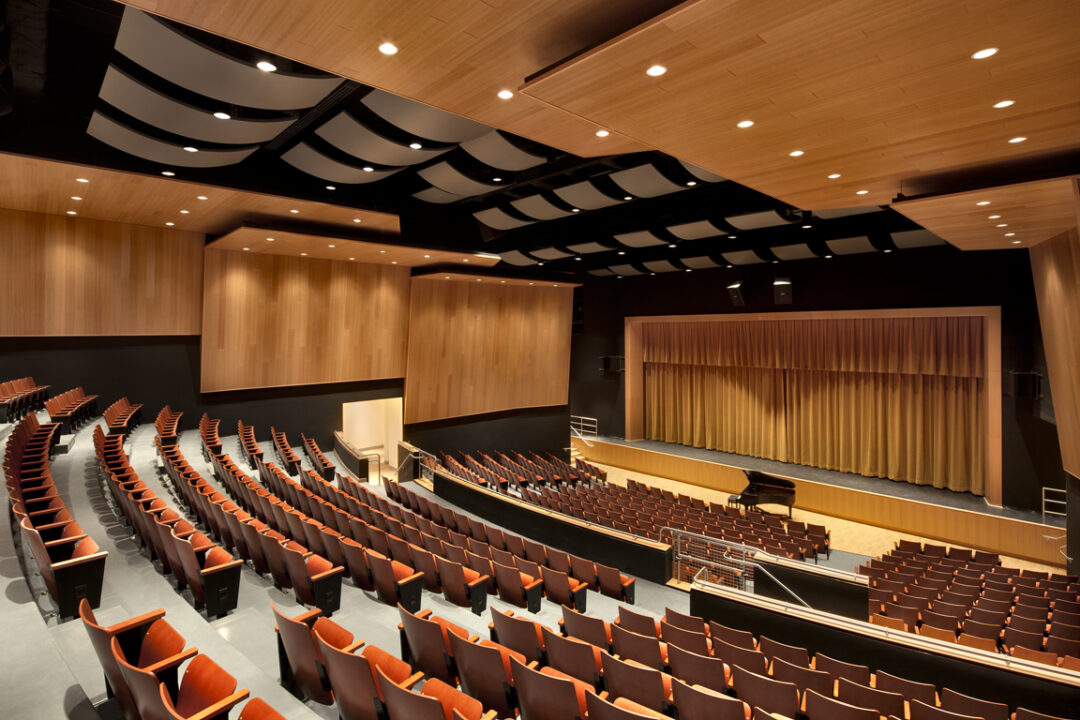
Auditoriums are a different game altogether. Here, acoustics decide everything. You can have the best seating and design, but if sound doesn’t travel cleanly, the entire space fails its purpose. That’s where proper auditorium acoustics and seating layout come into play. It’s not just about panels or materials, it’s about how sound behaves inside that specific space. Getting that balance right takes experience, not guesswork.
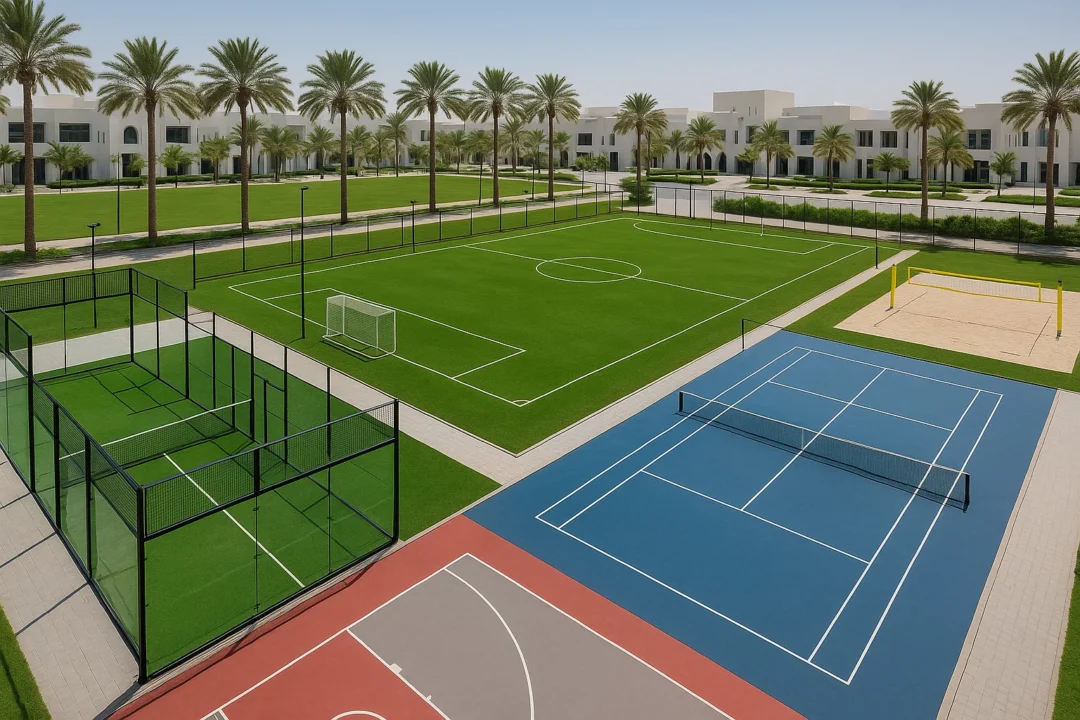
Then there are sports floorings and commercial gyms, which bring a completely different kind of demand. These spaces take constant impact, heavy movement, and high usage. The flooring has to absorb shock, provide grip, and still remain durable over time. The same goes for gym environments, where both safety and comfort matter. A poorly finished gym floor or setup shows wear very quickly, and that affects both performance and user experience.
A lot of commercial projects today also look at international standards, and you’ll often see solutions inspired by markets like Turkey, especially when it comes to auditorium seating and specialized installations. The reason is simple. These setups are built with long-term use in mind, combining durability with a clean, premium finish that doesn’t fade out after a few months.
What ties all of this together is how these elements are integrated into the space. Podcast rooms, silent pods, auditoriums, gyms, and flexible areas all need to coexist without feeling disconnected. When the planning is done right, the transition between these spaces feels natural. People don’t think about the design, they just use the space the way it’s meant to be used.
That’s really what commercial amenities come down to. Not just adding features, but creating spaces that continue to perform, day after day, without friction. When everything is built with that mindset, the space doesn’t just look good, it actually works.